
Evaluating Communities With Social And Recreational Activities
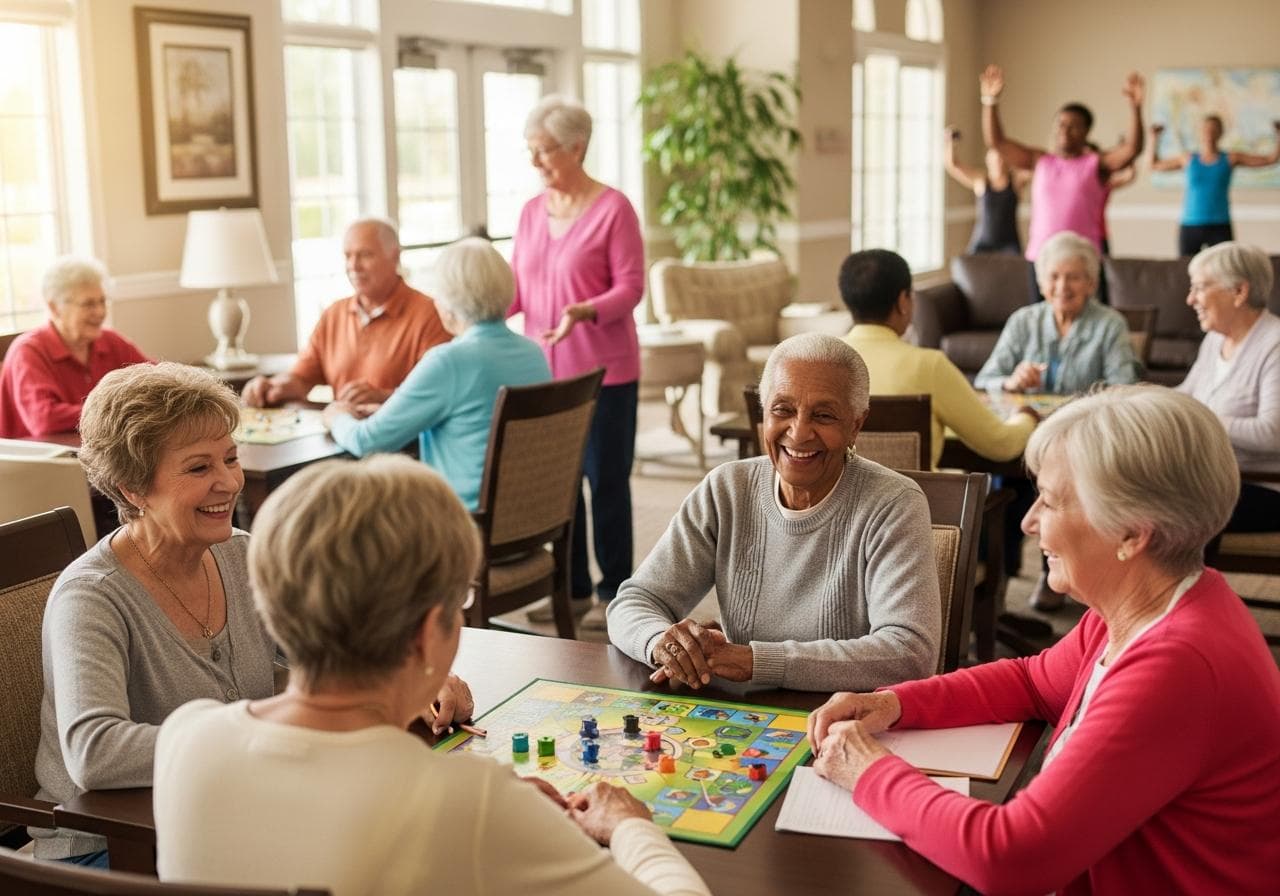
Senior communities flourish with social and recreational activities. These enhance well-being, fostering connections and joy.
Understanding Elder Care
When it comes to discussing Elder Care, it's not just about daily assistance but also about enhancing quality of life. A critical aspect of this is evaluating communities that offer diverse social and recreational activities. It has been proven that engaging in regular activities keeps seniors active mentally and physically, leading to better overall health outcomes.
Communities that foster social interaction can greatly improve residents' happiness and reduce feelings of isolation. Whether you are considering options like assisted living or independent living, understanding what they offer in terms of activities is paramount to making the right choice.
The Importance of Senior Activities
Senior activities are not only fun but also functional. They foster a sense of community and belonging, which is especially important in settings such as retirement communities and active adult communities. Regular participation in activities—be it gardening, painting, dancing, or fitness classes—offers seniors a way to express themselves and connect with others, paving the way for lasting friendships.
Many seniors are looking for vibrant lives where they can continue to grow and learn. This applies to those in memory care facilities too. Engaging activities can stimulate cognitive functioning, which is crucial for residents experiencing cognitive decline.
What to Look For in a Retirement Community
When evaluating a retirement community, you should consider the breadth of the activities offered. Are there enough options to cater to diverse interests? For example, while some may enjoy arts and crafts, others may prefer fitness classes or trivia nights. It’s essential for communities to offer a variety of programs that adapt to the changing needs and abilities of their residents, especially in places that provide dementia care or skilled nursing.
Additionally, check if the community allows for aging in place. This means they can accommodate residents as their needs change, providing a seamless transition from less to more intensive care within the same community.
Activities and Health Benefits
Engaging in social and recreational activities can provide numerous health benefits for seniors. Regular activities can lead to improved mobility, better mental health, and even enhanced cognitive abilities. When seniors participate in activities like yoga or tai chi, they improve their flexibility and balance, which is particularly important to reduce the risk of falls, a common issue for seniors.
Furthermore, studies have shown that participation in group activities can help reduce feelings of loneliness and depression. This is important for those in continuing care retirement communities, where the transition to assisted living or skilled nursing care can be overwhelming.
How Communities Encourage Participation
One of the keys to successful community engagement is how these programs are offered. Communities should provide various programs that cater to different interests and abilities. Would you like to see local art exhibits? Or would you prefer movie nights under the stars? Look for communities that not only offer these types of activities but actively encourage participation. Awareness and invitations can go a long way.
Some communities provide transportation services to ensure that seniors can attend various events or outings. This shows that the community values residents’ involvement and is committed to breaking down barriers that may prevent participation and engagement.
The Role of Staff in Activities
The staff plays an indispensable role in hosting and organizing activities within a community. Skilled and enthusiastic staff can help turn a standard program into an enriching experience. It is also beneficial to have staff members who are trained in elder care and understand the unique health and social needs of seniors.
Furthermore, training in areas like memory care and dementia care can enhance the type of activities offered, making them more accessible and enjoyable for all residents.
Conclusion: Making an Informed Decision
Evaluating communities with robust social and recreational activities is essential for any senior or family member preparing for this transition. It allows you to understand that senior living isn’t just about having a place to live, but about fostering a lifestyle that promotes well-being.
Consider visiting several communities and asking questions about activities and socialization opportunities. Engage with current residents if possible—they often have the best insights! Remember, a vibrant community can make all the difference when it comes to enjoying the golden years. For more information on activities seniors enjoy, check out resources available at Senior Planet and learn about activities of daily living on The Senior List.
Related Posts
Above 55 Senior Living Communities Overview
Focusing on senior living options, this article provides insights into communities designed for those 55 and over.
Affordable Apartments For Seniors
These residences offer comfortable, budget-friendly living options. Seniors can find independence with supportive services.
Affordable Housing Options For Seniors
Finding suitable homes with financial assistance ensures seniors live comfortably, fostering independence and well-being.